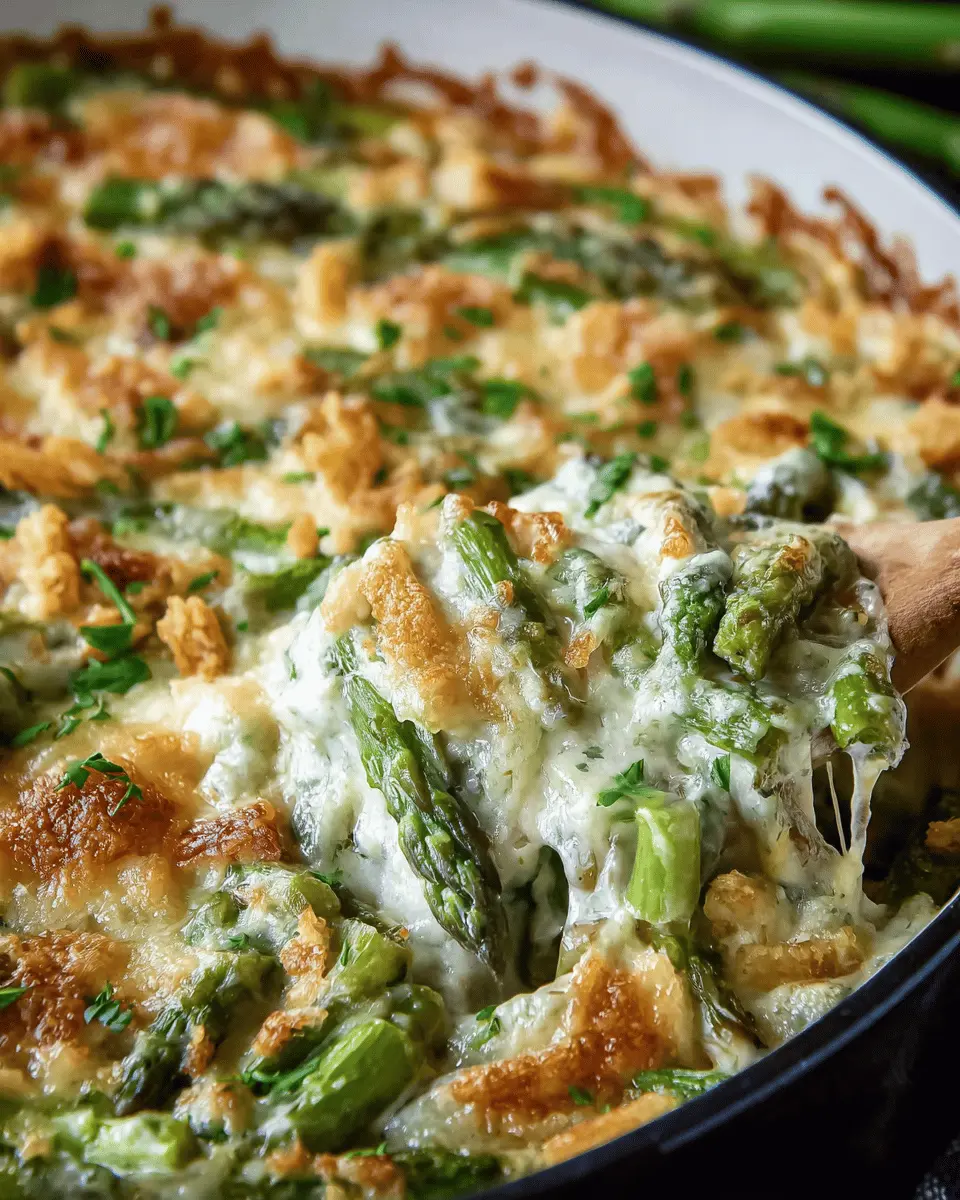
Asparagus Casserole Showdown: Classic Canned vs. Fresh & Gourmet Options
There's something uniquely comforting about an easy asparagus casserole. Whether it graces your holiday table, serves as a cherished family side dish, or becomes a surprise weeknight treat, this versatile vegetable bake has a special way of bringing warmth and flavor to any meal. But when it comes to crafting the perfect asparagus casserole, a delicious debate often emerges: do you stick with the time-honored tradition of canned asparagus, or do you elevate your dish with the vibrant freshness of seasonal spears and gourmet touches? This article delves into the heart of this culinary showdown, exploring the nostalgic appeal and effortless charm of the classic canned asparagus casserole, while also showcasing the refined elegance and robust flavors of its fresh and gourmet counterparts. Get ready to discover which style of asparagus casserole best suits your palate, your pantry, and your occasion.The Enduring Appeal of the Classic Canned Asparagus Casserole
For many, the mention of "asparagus casserole" immediately conjures images of a beloved family recipe passed down through generations – often one that relies on the convenience and familiar taste of canned asparagus. This isn't just a recipe; it's a taste of nostalgia, a dish that has satisfied even the most discerning family members, like the father who might only eat this one casserole, or the husband who discovered asparagus through its comforting embrace. The classic canned asparagus casserole is a testament to simple ingredients coming together to create something truly delicious and deeply satisfying. It champions speed, accessibility, and a unique texture that many find incredibly comforting.What Makes It a Classic?
- Convenience is King: Canned asparagus requires no washing, trimming, or blanching. Simply drain and go! This makes it an ideal choice for busy cooks or when time is of the essence.
- Pantry Staples: The ingredient list often reads like a who's who of common kitchen items: condensed cream of mushroom soup, hard-boiled eggs, buttery crackers, and shredded cheddar cheese. These are items most home cooks keep on hand.
- Nostalgic Flavor Profile: The specific softness of canned asparagus combined with the rich, umami depth of condensed soup creates a distinct flavor and texture that evokes childhood memories for many.
- Effortless Preparation: The process is wonderfully straightforward. Gather your ingredients, layer them in a greased casserole dish, bake, and then top with cheese for a final melt. It's almost foolproof.
A Look at the Core Ingredients and Method:
Typically, a classic easy asparagus casserole involves:
- Drained Canned Asparagus: Usually 3 large cans, providing a tender base.
- Condensed Cream of Mushroom Soup: The cornerstone of the creamy, savory binder. Many recipes call for 2 cans, lending a rich, velvety texture.
- Hard-Boiled Eggs: Sliced and layered, these add an unexpected but delightful protein boost and an extra layer of richness.
- Crushed Buttery Crackers: Often used as a layer within the casserole and sometimes as a topping, providing a salty, buttery crunch that contrasts beautifully with the soft ingredients.
- Shredded Cheddar Cheese: Sprinkled over the top during the final minutes of baking, it melts into a golden, gooey crown.
The beauty lies in the simple layering process, allowing the flavors to meld perfectly during a relatively short bake time (around 25-30 minutes covered, plus 5 minutes uncovered with cheese). While perhaps not "gourmet," this classic version is undeniably delicious and holds a special place in countless kitchens.
Elevating Your Asparagus Casserole: Fresh & Gourmet Options
For those who love the idea of an asparagus casserole but crave a brighter, more refined flavor and texture, turning to fresh asparagus and scratch-made sauces opens up a world of culinary possibilities. This approach transforms a simple side dish into a truly irresistible, showcase-worthy creation that can hold its own at any gathering.Why Go Fresh and Gourmet?
- Vibrant Flavor & Texture: Fresh asparagus, when properly cooked, offers a delightful tender-crisp texture and a naturally sweet, earthy flavor that stands out.
- Creamy, Cheesy Indulgence: Moving beyond condensed soups, a homemade cheese sauce allows for a richer, more nuanced flavor profile, often incorporating premium cheeses like Parmesan and sharp white cheddar.
- Crispy, Golden Topping: Instead of simple crackers, a gourmet version might feature Panko breadcrumbs mixed with butter and Parmesan, delivering an unparalleled crunch.
- Higher Quality Ingredients: Using fresh garlic, half-and-half, and freshly grated cheeses elevates the overall taste and quality of the dish.
A Look at the Gourmet Approach:
The sophisticated creamy, cheesy asparagus casserole with crispy Panko top typically involves:
- Fresh Asparagus: Choose bright green stalks with tight tips. A quick blanch in boiling salted water, followed by an ice bath, ensures a perfect tender-crisp texture and vibrant color.
- Scratch-Made Cheese Sauce:
- Roux Base: Unsalted butter and all-purpose flour create a foundational roux.
- Aromatic Depth: Fresh minced garlic sautéed in butter adds a wonderful savory aroma.
- Creamy Liquid: Half-and-half (or whole milk/cream) is gradually whisked in to form a smooth, luscious sauce.
- Premium Cheeses: Freshly grated Parmesan and sharp white cheddar are stirred into the sauce until melted and smooth, offering complex cheesy notes.
- Seasoning: Salt and freshly ground black pepper are essential to enhance all the flavors.
- Crispy Panko Topping: Panko breadcrumbs, known for their lighter, crunchier texture, are mixed with melted butter and additional Parmesan cheese, then sprinkled generously over the casserole.
This preparation requires a bit more hands-on time, particularly for blanching the asparagus and making the sauce from scratch. However, the extra effort is richly rewarded with a casserole that boasts incredible depth of flavor, luxurious creaminess, and a satisfying textural contrast from the crispy topping. Baking uncovered for about 15 minutes allows the topping to become beautifully golden and crisp, while the asparagus cooks through to perfection.
Canned vs. Fresh: A Culinary Comparison
The Case for Canned Asparagus Casserole:
- Pros:
- Ultimate Convenience: Minimal prep time, perfect for weeknights or last-minute additions to a meal.
- Cost-Effective: Canned goods and condensed soups are generally more budget-friendly.
- Unique Texture: The very soft texture of canned asparagus is preferred by many for its melt-in-your-mouth quality.
- Nostalgia Factor: It tastes like childhood for a lot of people!
- Cons:
- Softer Texture: Lacks the snap and crisp-tender bite of fresh asparagus.
- Less Vibrant Flavor: The processing of canned asparagus can mute some of its natural brightness.
- Higher Sodium Content: Condensed soups and canned vegetables can contribute to higher sodium levels.
The Case for Fresh & Gourmet Asparagus Casserole:
- Pros:
- Superior Flavor: Fresh asparagus provides a brighter, earthier, and more nuanced taste.
- Ideal Texture: Blanching fresh asparagus results in a crisp-tender bite.
- Richer Sauce: Homemade cheese sauces offer greater depth and control over ingredients.
- Impressive Presentation: Visually appealing with vibrant green asparagus and a golden, crunchy topping.
- Ingredient Control: Ability to choose organic, lower sodium, or specific cheese varieties.
- Cons:
- More Prep Time: Requires trimming, blanching, and making a sauce from scratch.
- Potentially Higher Cost: Fresh asparagus and gourmet cheeses can be more expensive, especially out of season.
- Seasonal Availability: Fresh asparagus is at its peak in spring, though it's often available year-round.
Tips for Asparagus Casserole Perfection
No matter which path you choose for your asparagus casserole, a few universal tips can help ensure your dish is a resounding success:- Choose Your Asparagus Wisely: If opting for fresh, select spears that are bright green, firm, and have tight tips. If using canned, ensure they are well-drained to avoid a watery casserole.
- Don't Overcook Asparagus: For fresh asparagus, blanching for just 1-2 minutes is key to retaining its crisp-tender texture and vibrant color. It will cook a little more in the oven.
- Freshly Grate Your Cheese: For both types of casserole, but especially the gourmet version, grating cheese fresh from the block (instead of using pre-shredded) melts more smoothly and offers superior flavor.
- Season Liberally: Don't forget salt and pepper! Taste your sauce or layers as you go, adjusting seasonings to bring out the best flavors. A pinch of garlic powder or onion powder can also enhance the classic version.
- Customize Your Topping:
- For Classic: Experiment with different types of buttery crackers, or even add crushed potato chips for a salty crunch.
- For Gourmet: Beyond Panko, consider adding fresh herbs like parsley or thyme to the breadcrumb mix, or a sprinkle of smoked paprika for extra depth.
- Consider Add-ins: While traditionally a side, you can make your asparagus casserole a main course by adding cooked, shredded chicken, diced ham, or even canned tuna to the layers.
- Make Ahead Options: Most asparagus casseroles can be assembled a day in advance (without the topping if using Panko, to prevent sogginess). Cover and refrigerate, then add extra baking time to ensure it heats through evenly.
